
In one of my older posts, I talked about how one of the best parts of playing a game again is learning something new each time. However, when I talked about that, it was about exploration. Playing the game again and trying new things would lead to different encounters while allowing me to potentially find stuff I missed. That’s why I would go back and start a new file. I just want to experience the game and find something new. However, there are other reasons why you would replay a game. As an example, you would replay a game because you found it fun and wanted to play it some more. You might want to collect achievements or potentially speedrun the game. There are many different reasons, but I think there are very few games like Inmost, where I wanted to replay the game so I could better understand what I had just played. It’s like I was confused for the whole game as to what I was supposed to be doing, then I got to the end and understood what was happening, but was still a bit lost. Okay, maybe lost isn’t the right word. You know what, let me explain.
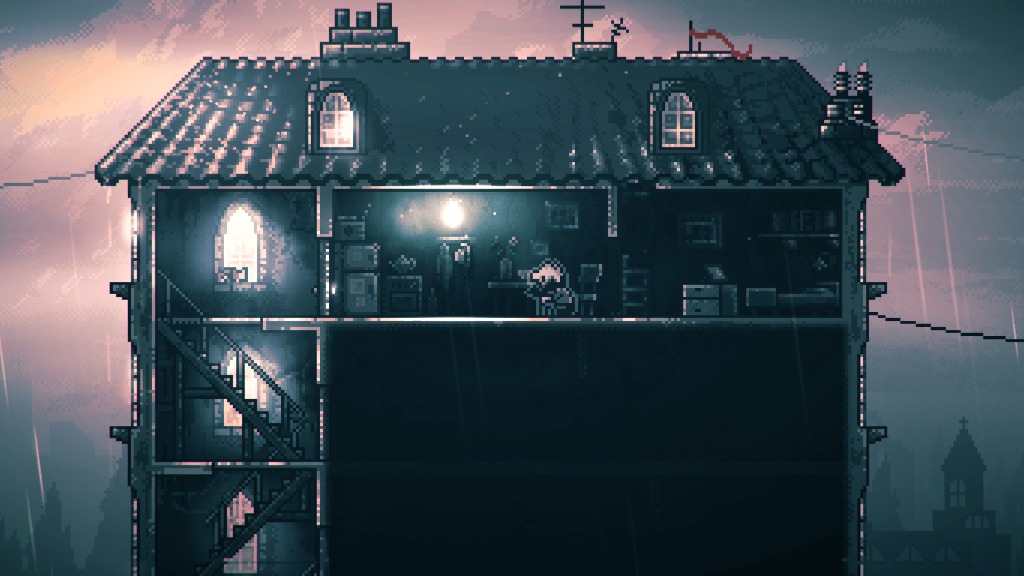
So this game consists of multiple parts where you play as different characters trying to meet certain goals. Most of the time you play as a man who wanders about this haunting area full of dark creatures and puzzles. He is aptly named the Wanderer. Then during certain points in his travels, you switch between controlling different characters. Sometimes you play as a young girl and sometimes you play as a knight. Both storylines don’t seem to have anything to do with each other and yet they do. There is a lot that is communicated in one of their stories through symbolism and because of the story being shown that way, it becomes harder to understand what is going on. I am not ashamed to admit that the meaning of “cultivating a soul flower” flew over my head. That’s the point though. The game doesn’t want to give you a cohesive narrative and wants to keep you interested in the characters and where the story is headed. There are definitely certain details they allude to throughout the playthrough, but things aren’t made clear until the very end. I got it. Overwhelmed is the word I was looking for earlier. The impact of the ending made me feel overwhelmed.
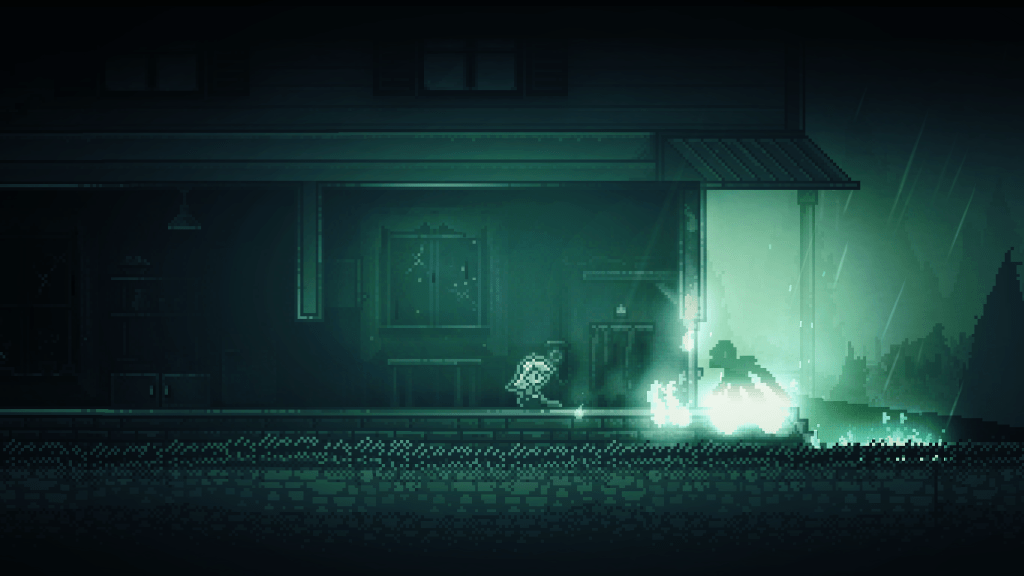
I should clarify that I don’t mean overwhelmed in a negative sense. It was like a bunch of things started to click all at once because, for the first time since I started the game, I had context. Up until this point, I had no context for the story that was taking place. I couldn’t understand the pain of these characters. However, in the end, when the truth is revealed, I could finally understand what was really happening. It is amazing how much having the right context can change your view of the game. I was able to unpack the metaphors as more details were conveyed as to what happened to the girl and the knight and how the wanderer fits into everything. I realize that I am keeping things deliberately vague and that is because it is best I keep it that way. The game is short enough if you want to check it out yourself and you won’t really get the same kind of impact unless you play through the narrative yourself. Who knows. Maybe you will see more of the truth than what I did on my first playthrough. However, I guarantee that one thing. You will look at the game differently on your second playthrough. That’s all I want to say for today. It’s been a while since I have enjoyed experiencing a narrative in a videogame. I can’t wait for the next surprise.
 That Casual Gamer Guy